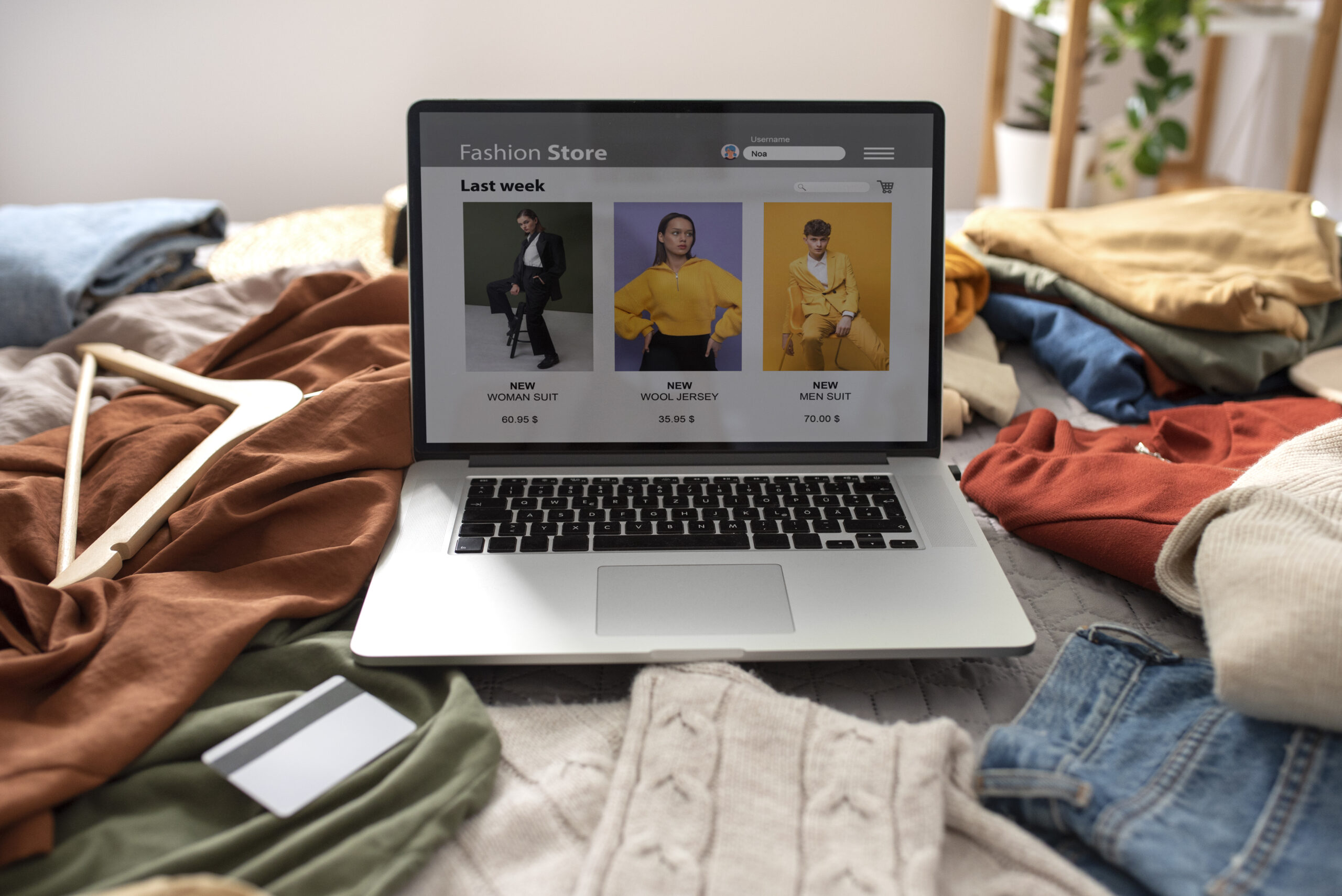
Starting an online thrift store in 2025 is one of the most exciting and low-cost ways to break into eCommerce. With sustainable fashion booming and platforms like Depop and Poshmark growing fast, you don’t need a fashion degree or even a huge inventory to begin.
Whether you’re passionate about vintage clothes or looking for a side hustle, this guide will walk you through every step.
Let’s get started!
Why Start an Online Thrift Store in 2025?
The fashion resale market is booming. According to thredUP’s 2024 Resale Report, the secondhand market is expected to double by 2027, reaching over $350 billion globally. Here’s why this is the perfect time to get in:
- Low startup cost: You can start with clothes from your own closet.
- Eco-friendly mission: More buyers are seeking sustainable fashion options.
- High profit margins: Especially with branded or vintage pieces.
- Flexible schedule: Run it from home, part-time or full-time.
You don’t need to be a fashionista to succeed. All you need is a smartphone, a good eye for style, and this guide.
Step 1: Choose Your Niche for Your Online Thrift Store
Before you start listing clothes, think about what kind of items you’ll specialize in. A clear niche helps you attract the right buyers.
Niche Ideas:
- Vintage ’90s streetwear
- Designer secondhand (e.g., Gucci, Prada)
- Sustainable fashion basics
- Y2K aesthetics
- Plus-size fashion
- Men’s casualwear
Pro tip: Browse top sellers on Depop or Poshmark to see what sells. Find gaps and trends you can tap into.
Step 2: Source Inventory for Your Online Thrift Store
No inventory? No problem! Start by sourcing from what you already own. Once you’re ready to scale, here are places to find great secondhand items:
Best Inventory Sources:
- Your own wardrobe (start free!)
- Local thrift shops and Goodwill
- Estate sales and garage sales
- Online marketplaces like Facebook Marketplace or OfferUp
- Wholesale thrift suppliers (for scaling up)
Tip: Look for unique, branded, or trending items in good condition. Always wash and inspect items before listing.

Step 3: Choose a Selling Platform (Depop, Poshmark, or Others)
Different platforms serve different audiences. Here are the top online thrift store platforms in 2025:
1. Depop
- Best for: Vintage, trendy, Gen Z styles
- Pros: Easy to use, visual-first
- Cons: Younger audience, high competition
2. Poshmark
- Best for: Designer, everyday wear, women’s fashion
- Pros: Built-in community, fast sales
- Cons: Higher fees, U.S.-focused
3. Vinted, Mercari, eBay
- Best for: Diversifying your reach
- Use multiple platforms to maximize exposure!
Bonus: Once you’re consistent, consider building your own store using Shopify.
Step 4: Set Up Your Online Thrift Store Profile
Make a great first impression with a professional and inviting storefront. Your profile is your brand.
Tips for Optimizing Your Storefront:
- Username: Choose something catchy and brandable
- Bio: Keep it short and clear (e.g., “Curated vintage & streetwear since 2024”)
- Profile pic: Use a logo or clean, aesthetic photo
- Store policies: Clearly state shipping, returns, and handling time
Step 5: Take High-Quality Photos That Sell
In online thrift stores, photos = sales. Invest time in creating scroll-stopping visuals.
How to Take Great Product Photos:
- Use natural lighting (near a window works best)
- Keep the background clean (white walls or a sheet)
- Show multiple angles (front, back, close-ups)
- Include measurements and flaws
Bonus Tip: Try lifestyle shots or flat lays to stand out.
Step 6: Write SEO-Friendly Product Descriptions
Great photos draw people in, but great descriptions close the sale.
Product Description Template:
- Title: Include brand, item type, and key features
- e.g., “Vintage Levi’s 501 Jeans – Size 30, Made in USA”
- Condition: Be honest and detailed
- Measurements: Waist, length, bust, etc.
- Style keywords: Y2K, streetwear, minimalist, etc.
Use relevant keywords naturally to boost search visibility.
Step 7: Price Your Items Strategically
Pricing can make or break your sales. Here’s how to find the sweet spot:
Pricing Tips:
- Check sold listings on your platform
- Consider item condition and rarity
- Factor in platform fees and shipping
- Use psychological pricing (e.g., $19 instead of $20)
Pro tip: Offer bundle discounts or flash sales to move inventory.
Step 8: Ship Orders Promptly and Professionally
Fast, reliable shipping builds trust and repeat customers.
Shipping Checklist:
- Use branded or neat packaging
- Include a thank-you note or coupon
- Ship within 1–2 business days
- Provide tracking info
Platforms like Poshmark and Depop provide prepaid labels, making the process easier.
Step 9: Promote Your Online Thrift Store
Don’t just rely on in-app traffic. Promote your store outside the platform to drive more sales.
Free Ways to Market:
- Share listings on Instagram or TikTok
- Start a Pinterest board with your items
- Use relevant hashtags (e.g., #thriftstorefinds, #vintagefashion)
- Collaborate with micro-influencers
Advanced Tip: Start an email list or blog about fashion trends to build brand loyalty.
Step 10: Track Performance & Scale Your Online Thrift Store
Success comes from consistency and optimization.
What to Track:
- Best-selling items
- Average order value
- Customer reviews and feedback
- Time to sell each item
Use this data to refine your inventory, pricing, and marketing strategy.
When you’re ready, consider:
- Hiring help with shipping or sourcing
- Building your own Shopify site
- Expanding into vintage accessories or shoes
👀 Explore Related Guides
- Digital Collectibles in 2025: The Ultimate Beginner’s Guide
- How to Start Flipping Digital Templates in 2025
- How to Start a PLR Product Reseller Business in 2025
💡 Want to Explore More Beginner Business Ideas? Check out our full list: 30 Best Online Businesses to Start in Your 20s
Final Thoughts: Start Your Online Thrift Store Today
Starting an online thrift store in 2025 is a smart, sustainable, and profitable business idea, perfect for Gen Z, side hustlers, or anyone passionate about fashion.
You don’t need a huge investment or special skills. Just start with what you have, follow the steps, and keep learning as you go.
Ready to turn your closet into a business? Your future thrift empire starts now.